Hydrants: London (2014)
May 2014 marked a return to London not as a mere visitor, but one with a growing sensitivity to the overlooked details that shape the city’s visual language. After several years spent observing and documenting the quiet repetitions of Melbourne, attention naturally shifted towards finding a similarly grounded entry point into London’s layered urban fabric.
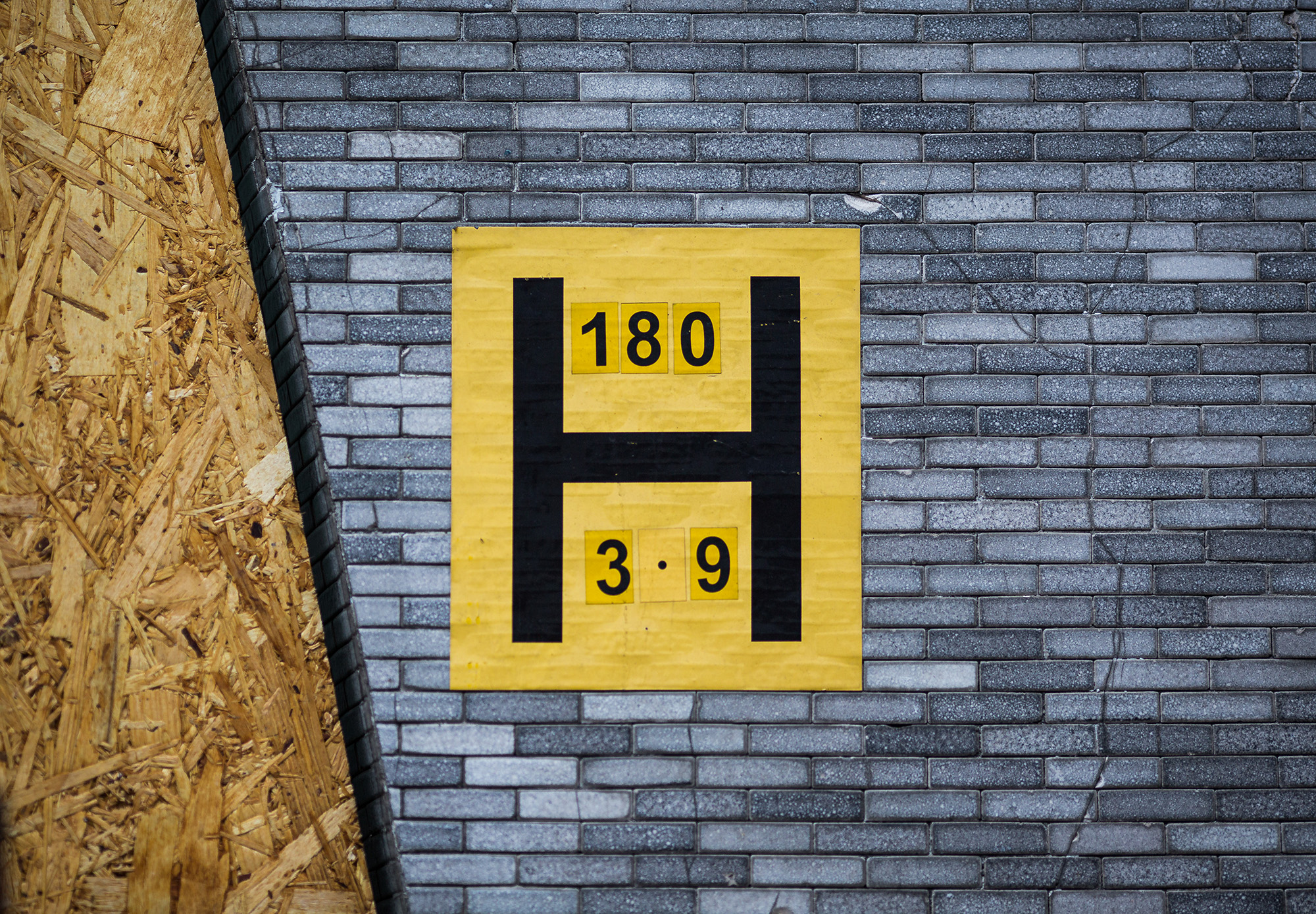
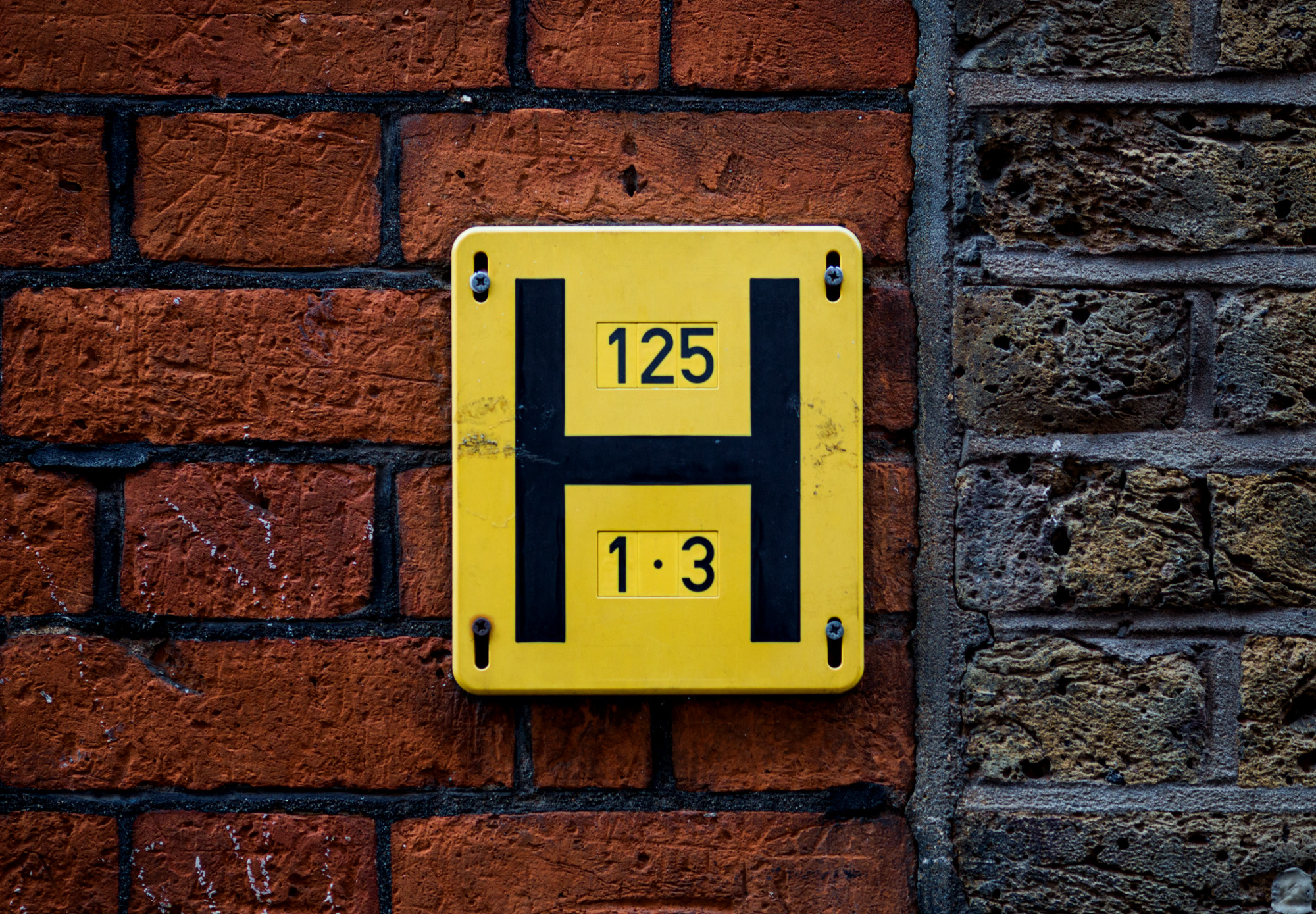
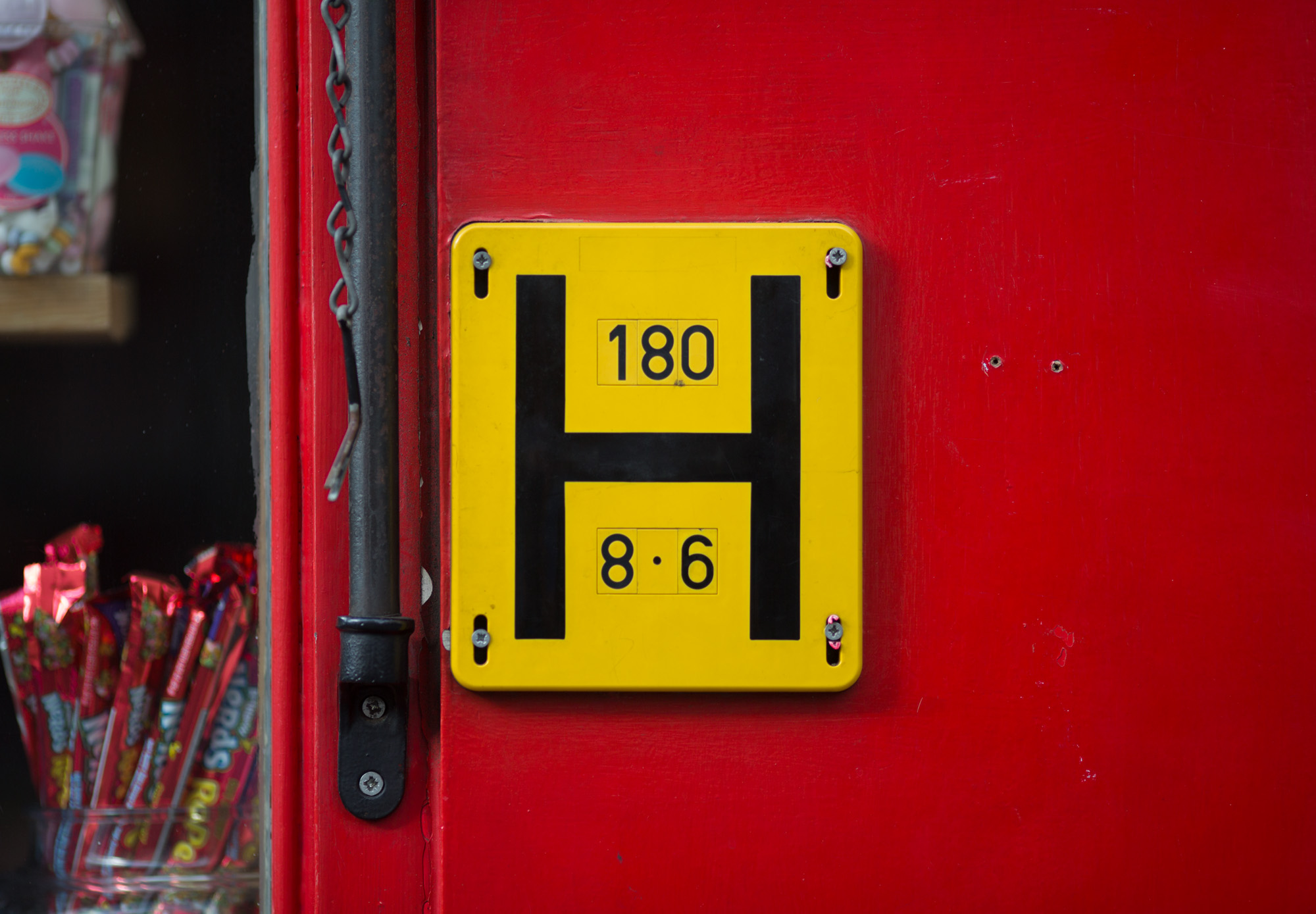
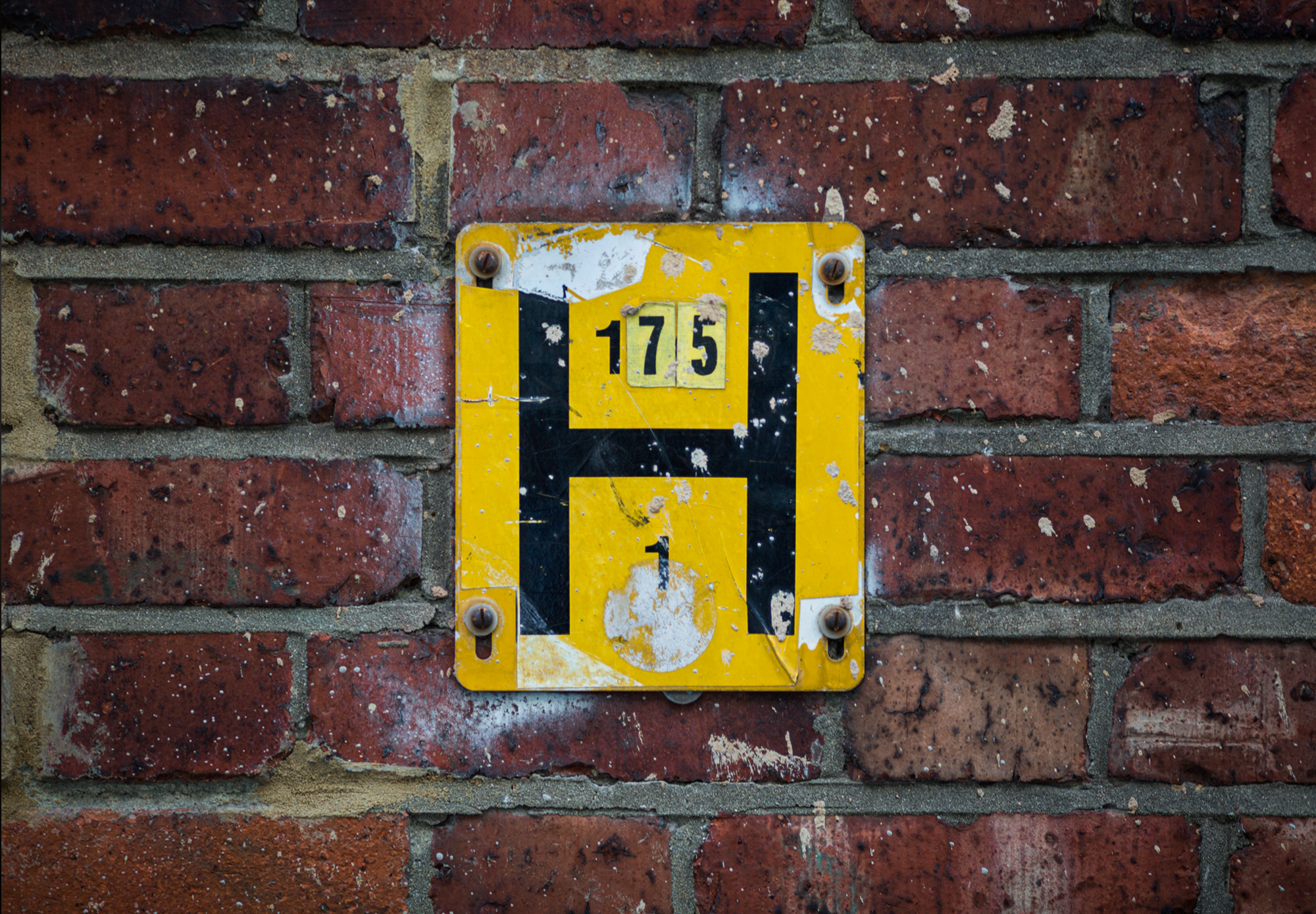
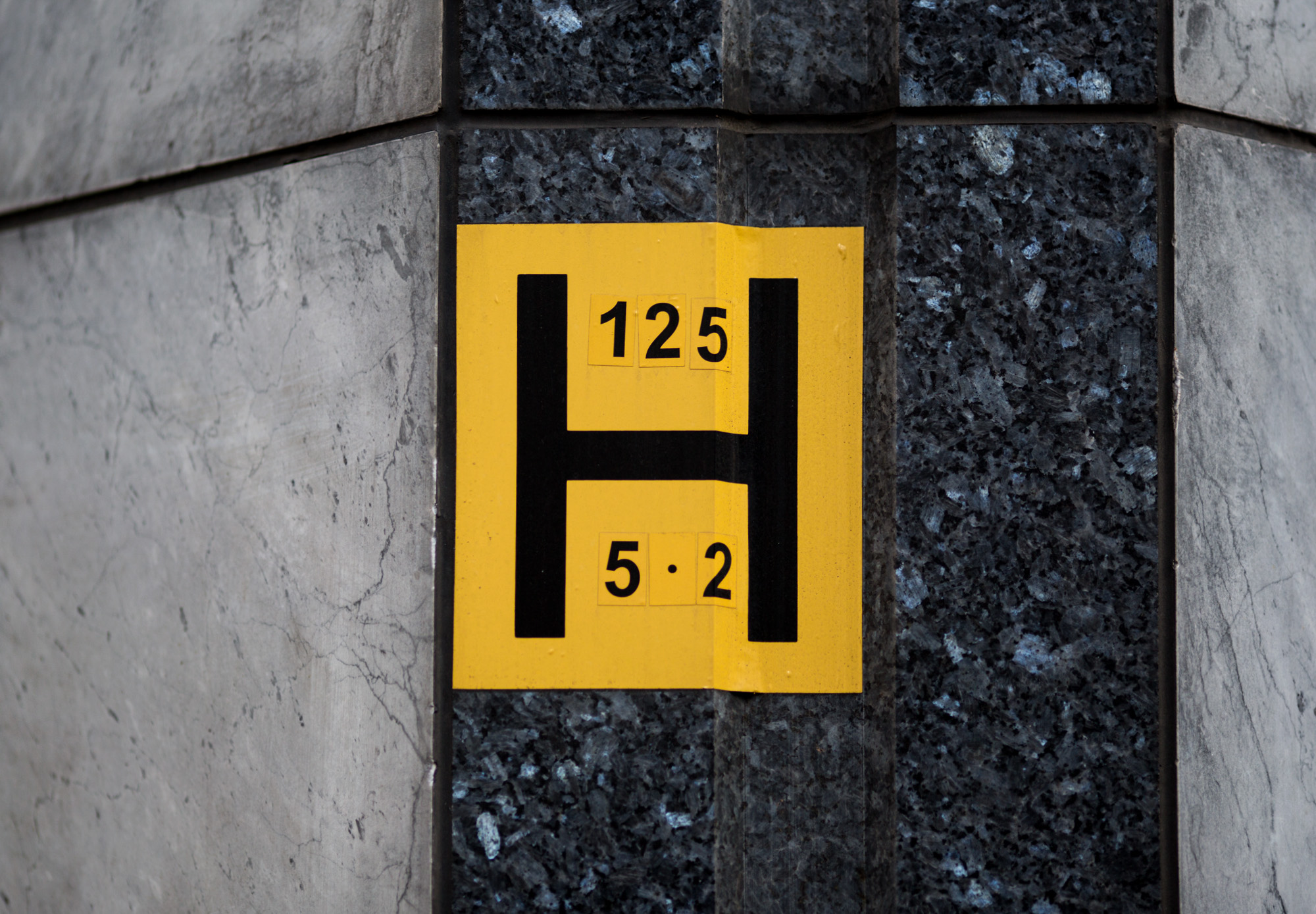
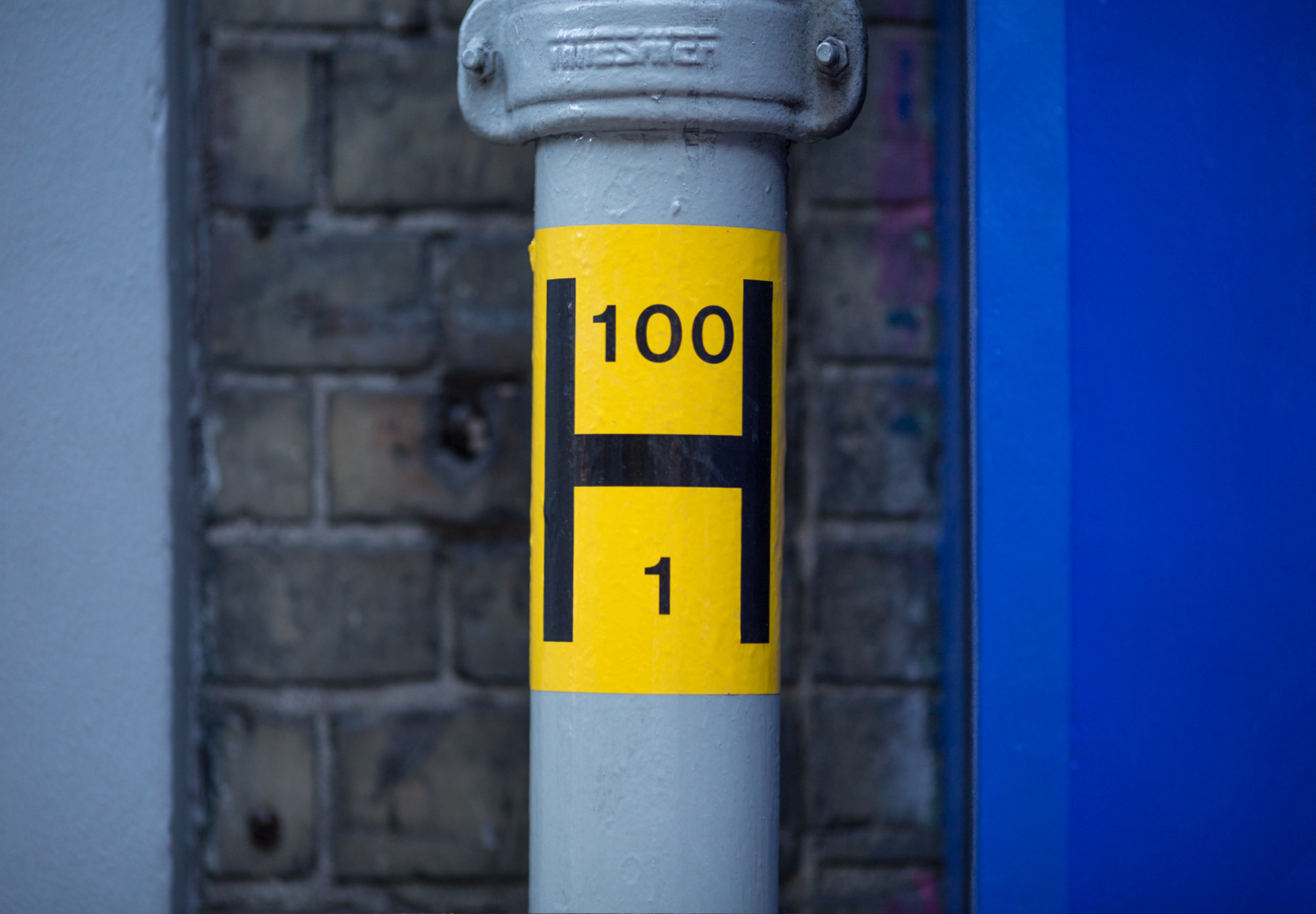
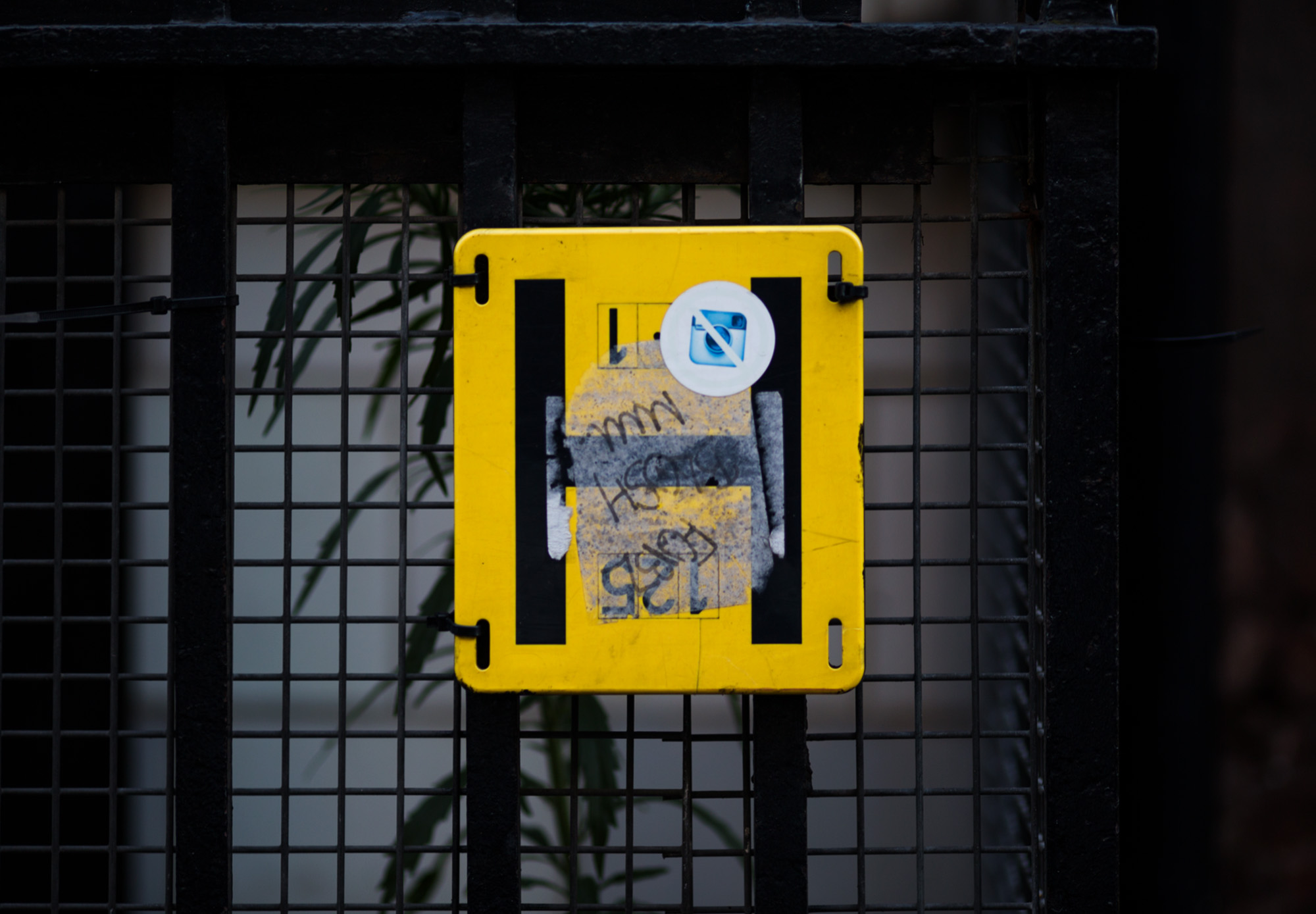
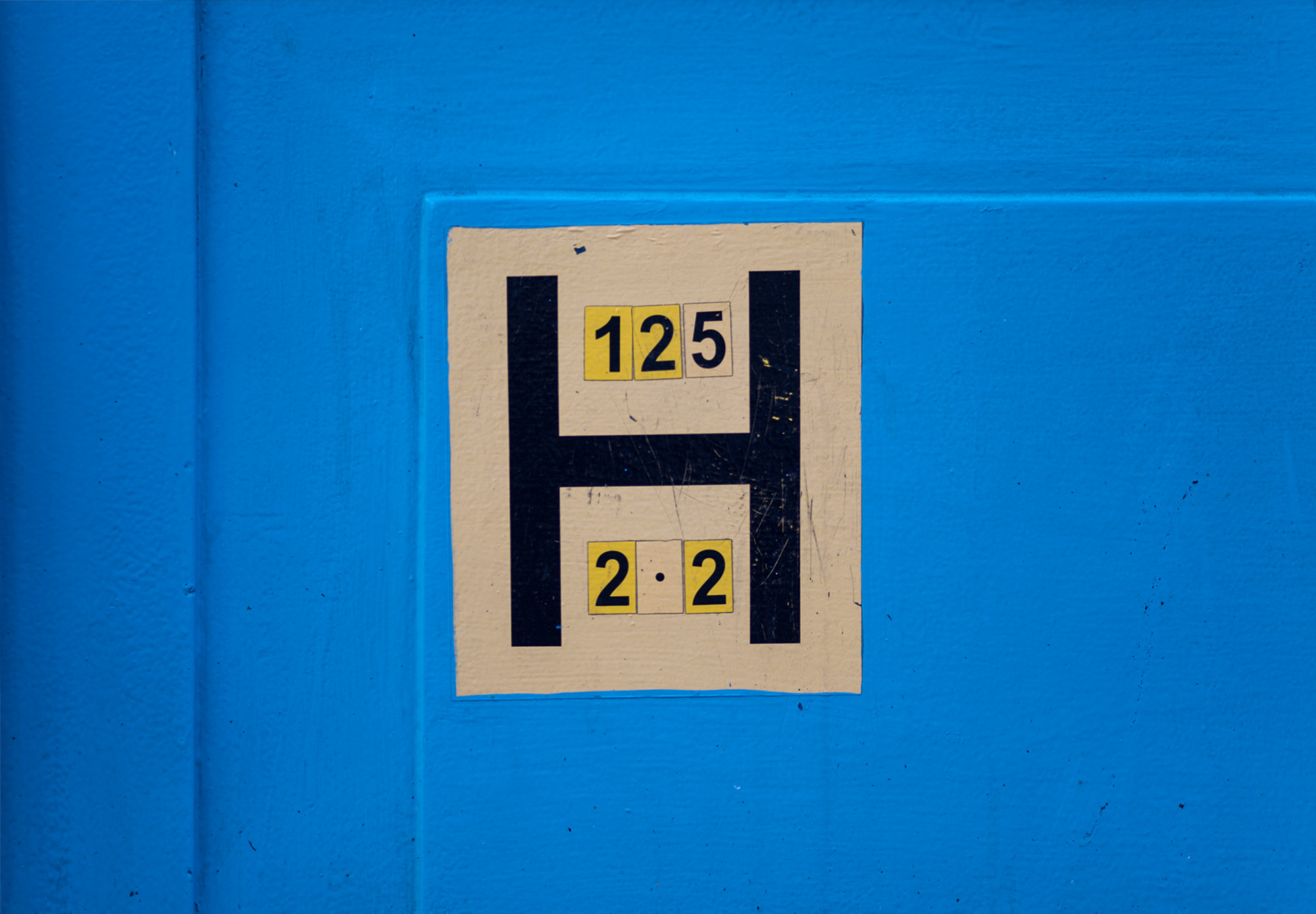
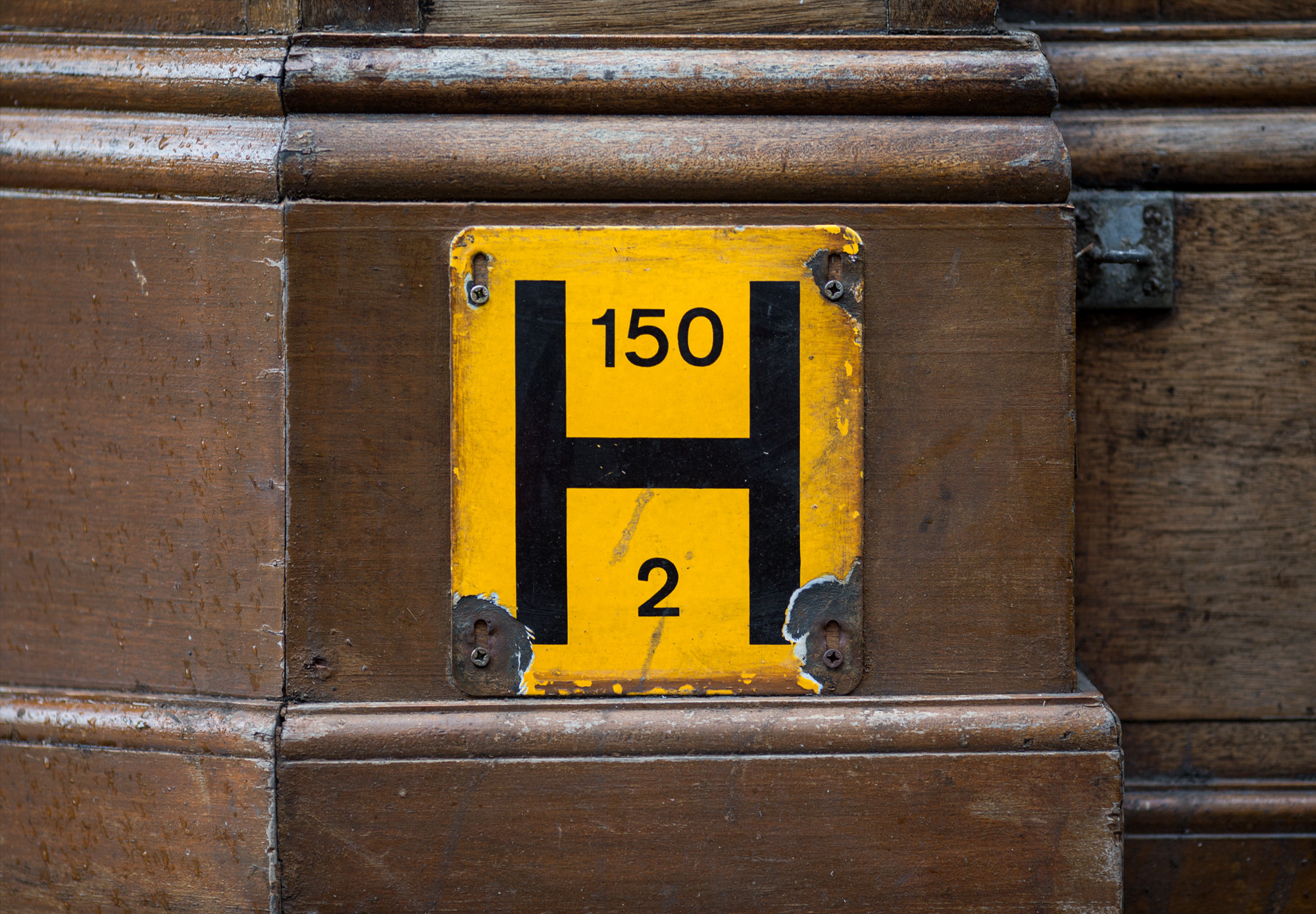
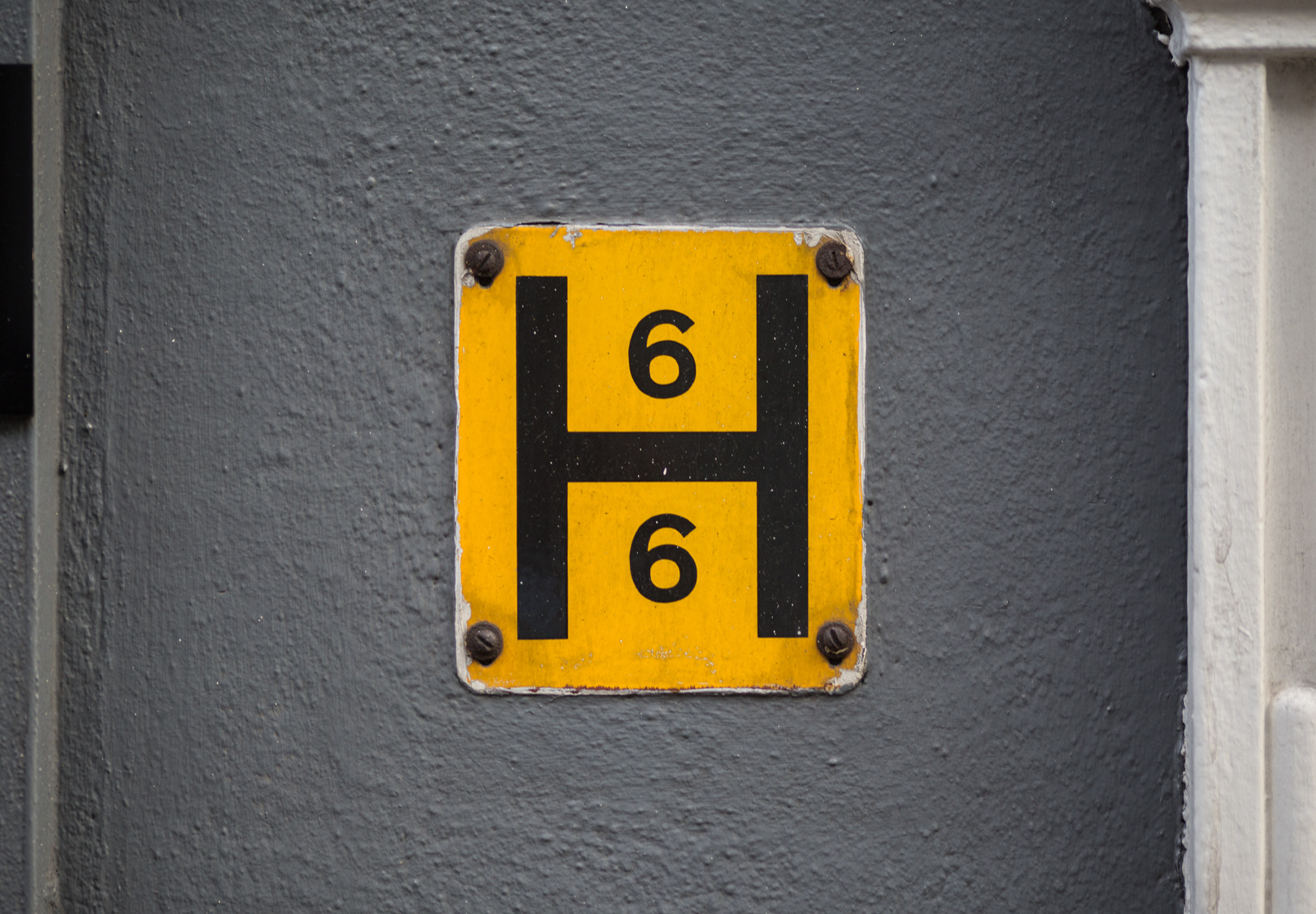
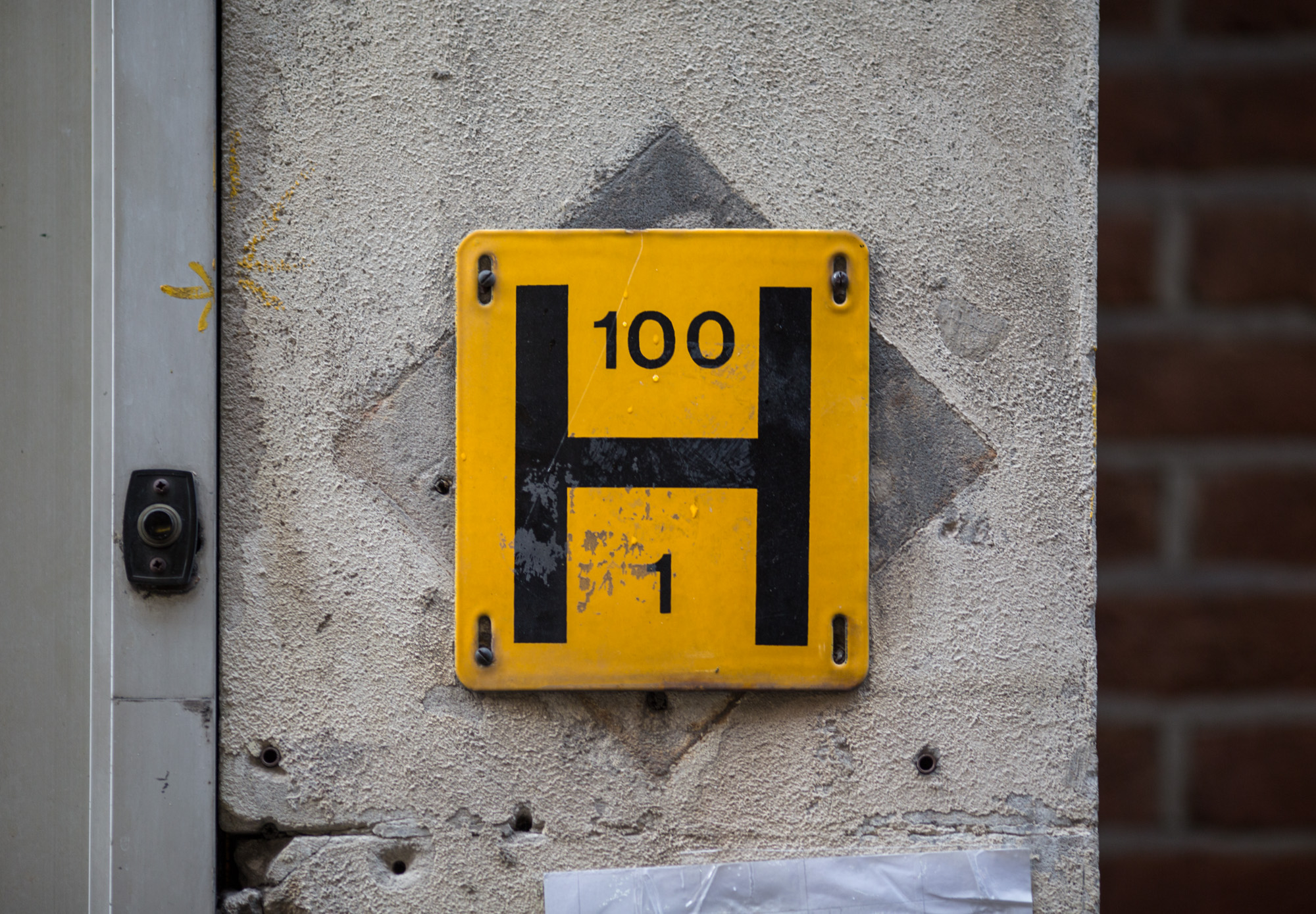
That entry came through the city’s hydrant locator signs: standardised ‘H’ markers placed across the UK to indicate the position and specifications of underground water sources. Functional in nature, each sign carries a coded logic: the number above denotes the diameter of the water main, while the number below indicates the distance to the hydrant itself. Yet beyond their utility, these signs revealed something else—an unexpected consistency embedded within a city otherwise defined by contrast and accumulation.
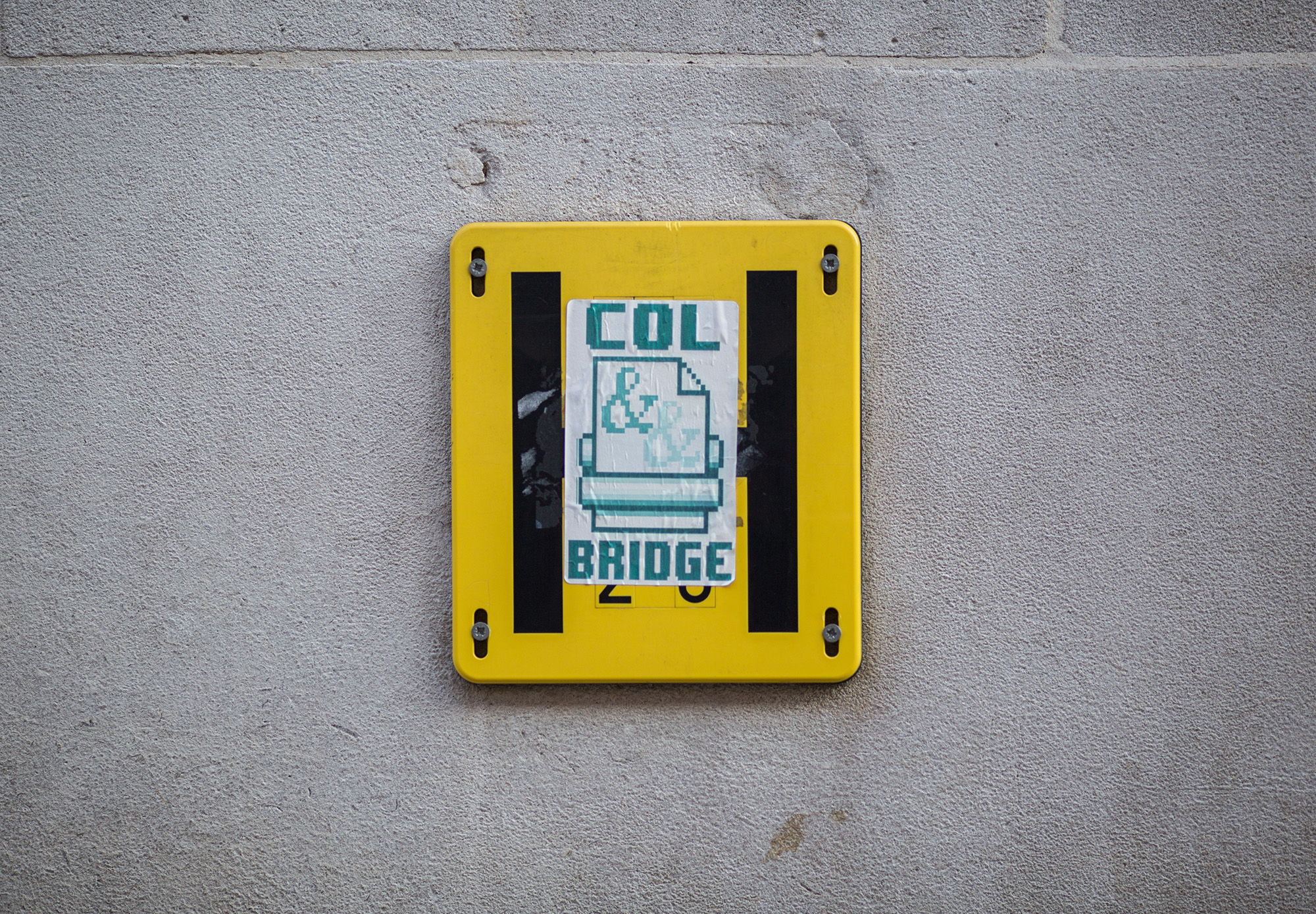
A second visit later that year became a more deliberate exercise. Moving through the West End street by street, these markers were photographed as a series: isolated, repeated, and gradually understood as a typology. Over time, their uniformity began to dissolve. Weathering, vandalism, repairs, and their placement against brick, stone, paint, and foliage introduced subtle variations. What began as a system revealed itself as a surface for time, use, and human intervention.
Often overlooked, these signs exist in plain sight and quietly embedded in the city’s infrastructure. Yet, when seen collectively, they form a fragmented but consistent visual rhythm. Not unlike London itself, they balance order and entropy, permanence and change—offering a microscopic view of a city more often understood through its monuments.