No Parking: Melbourne (2012)
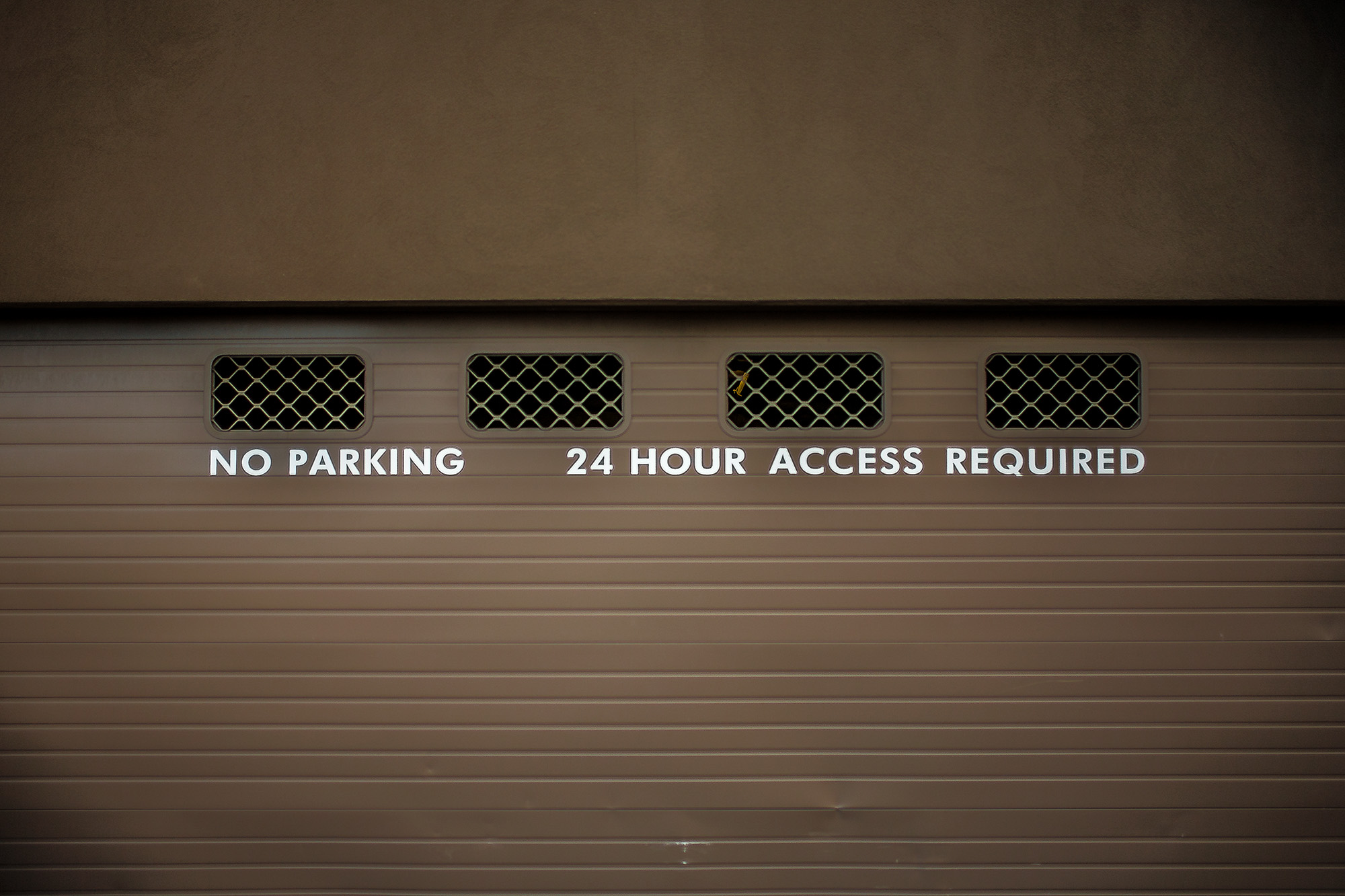
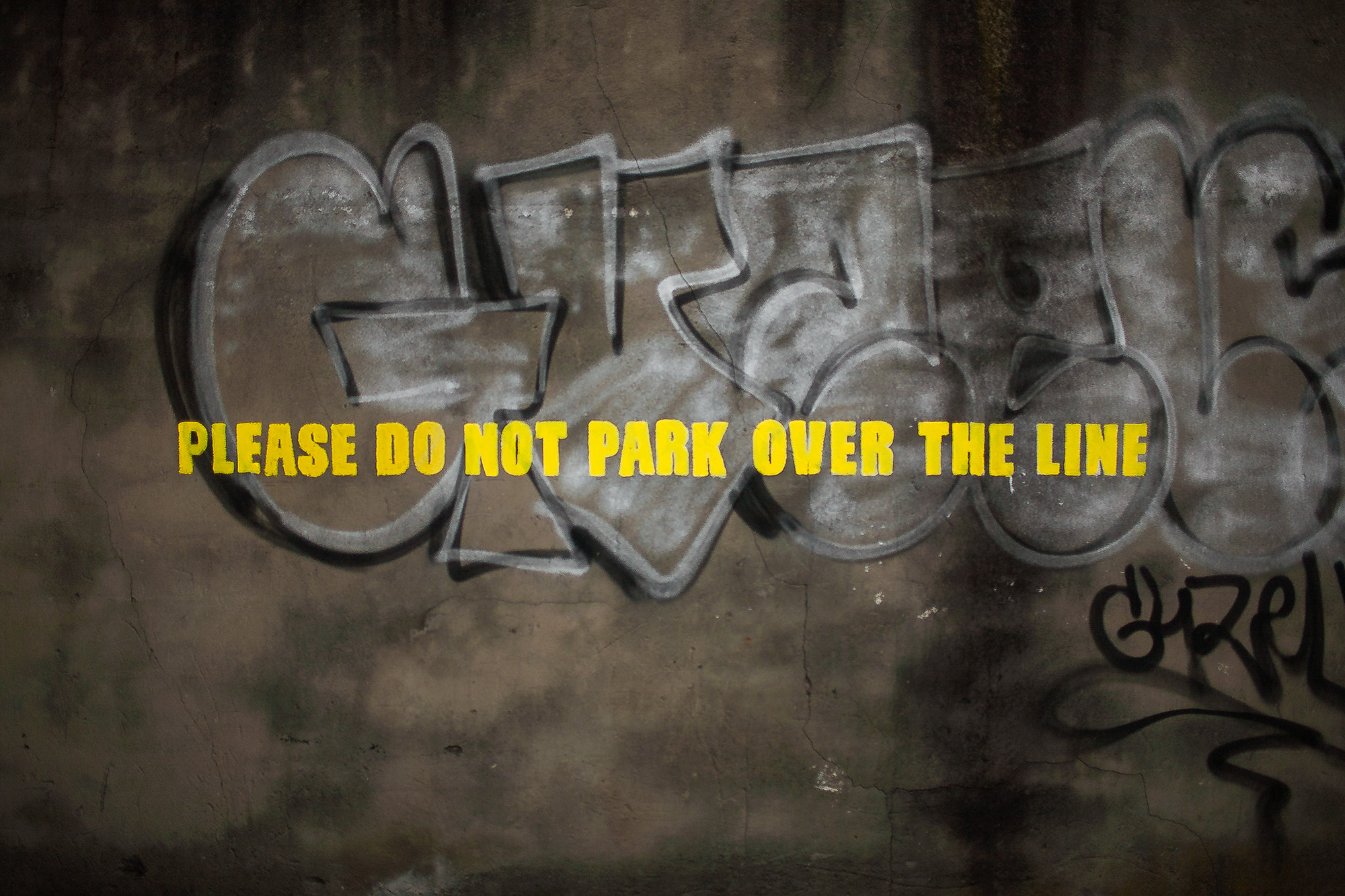
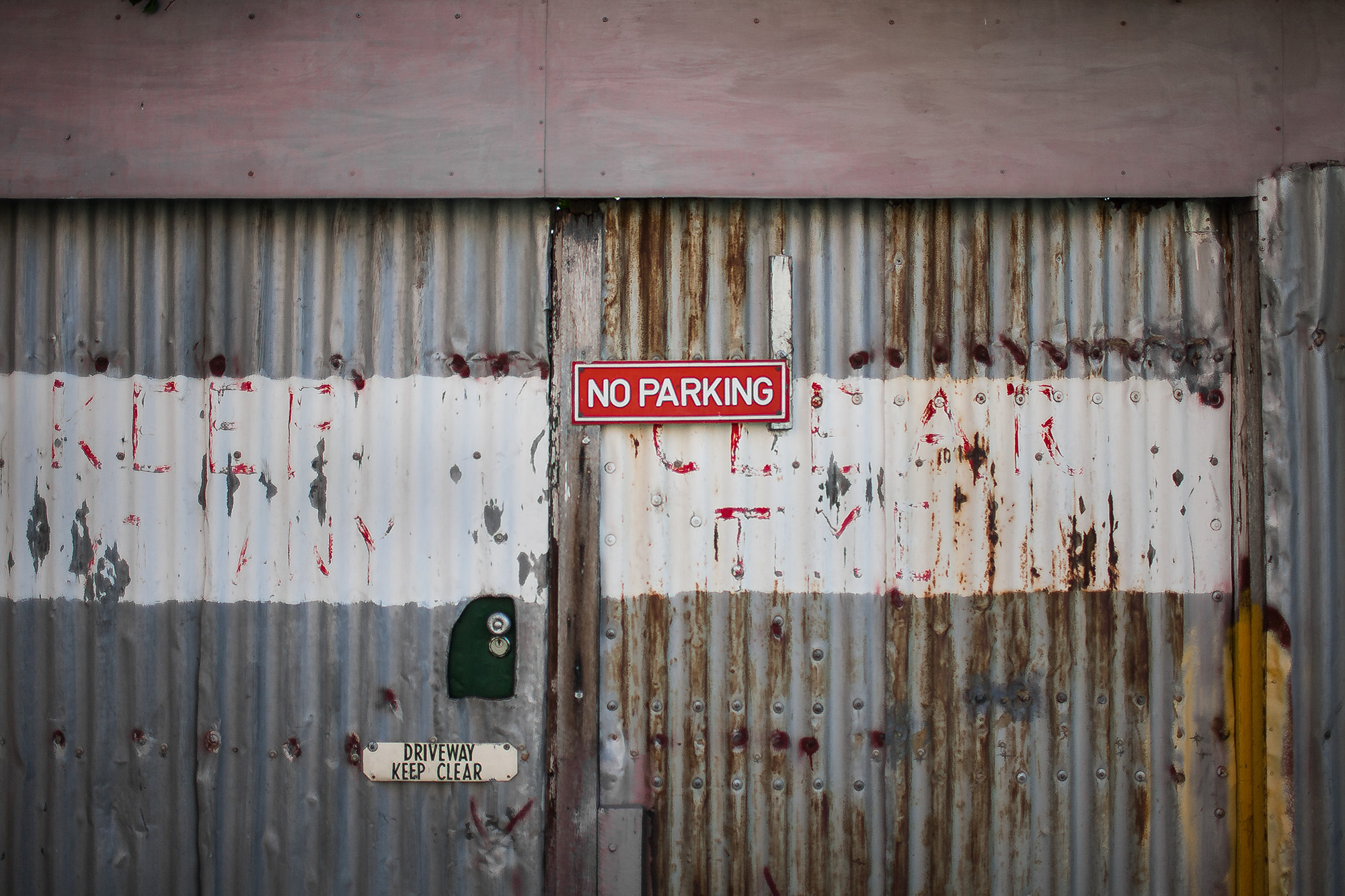
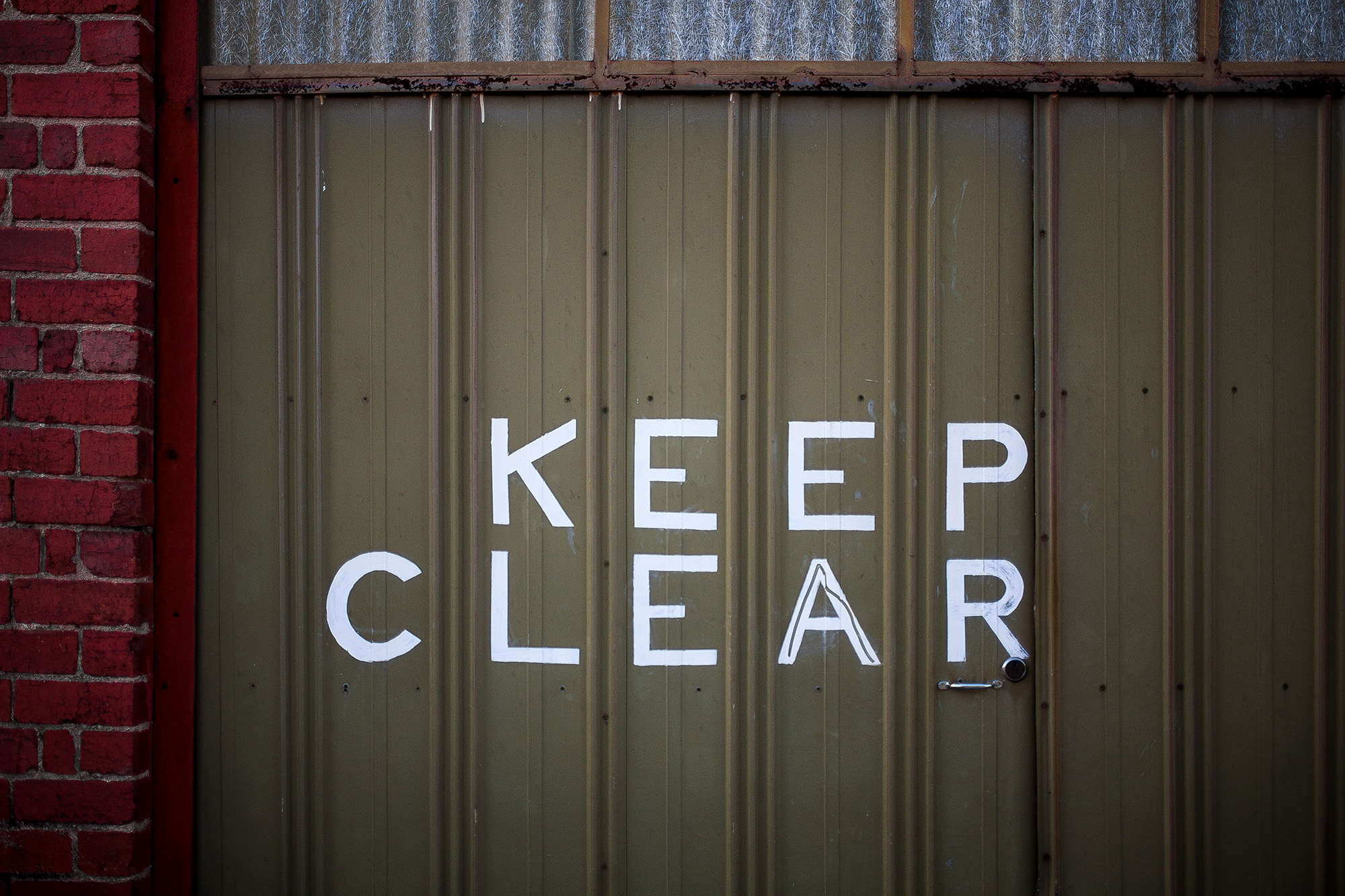
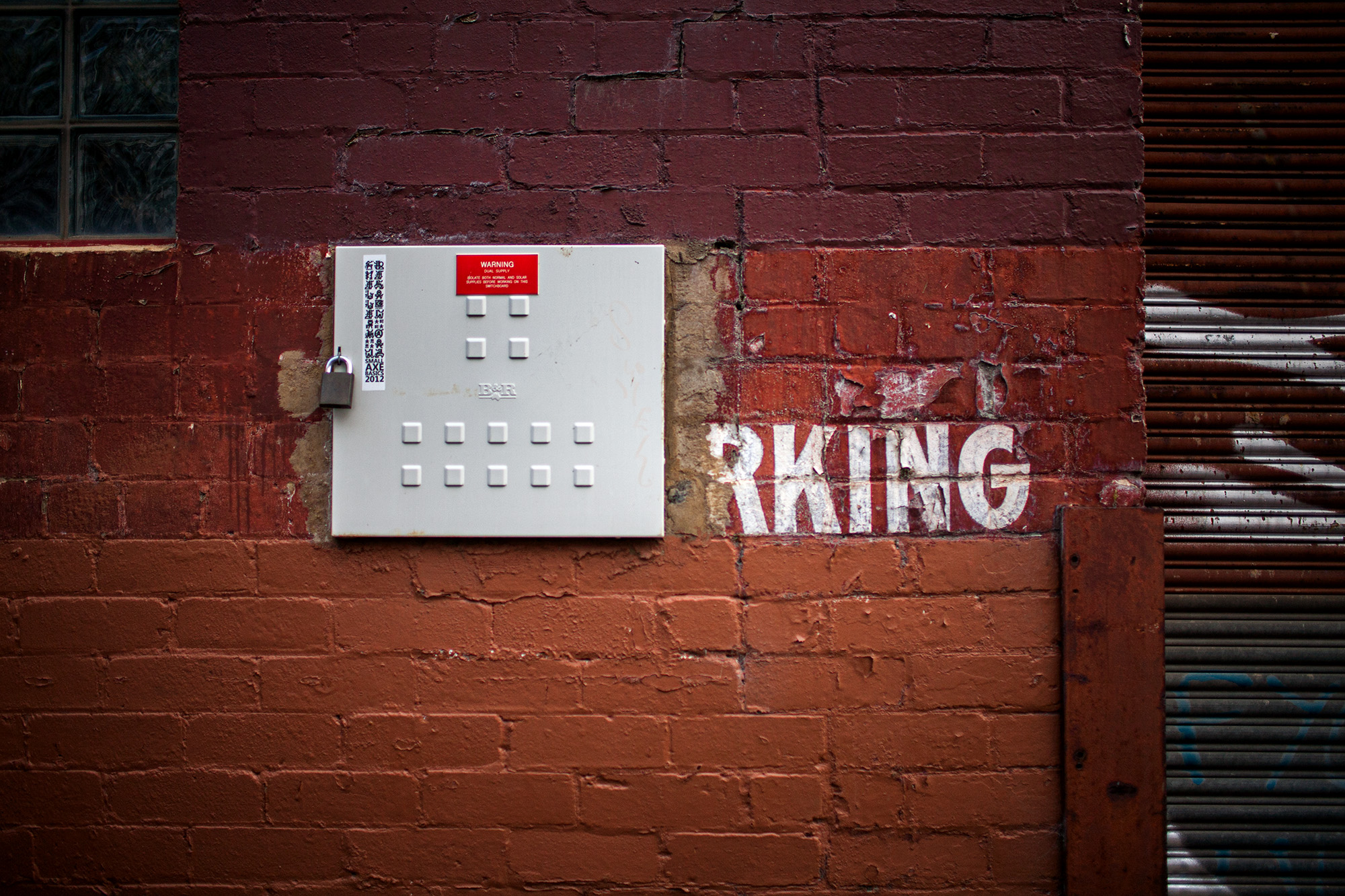
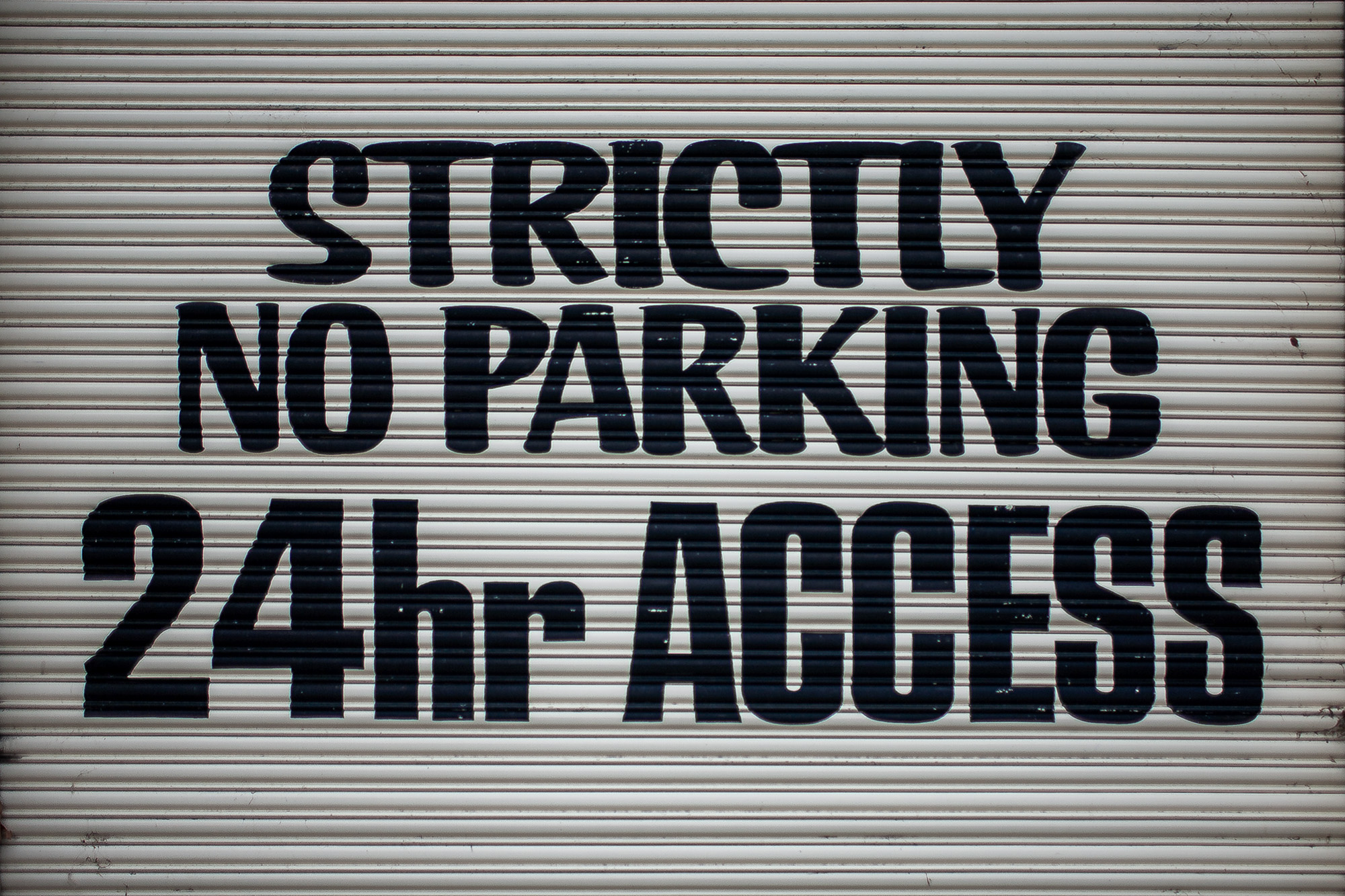
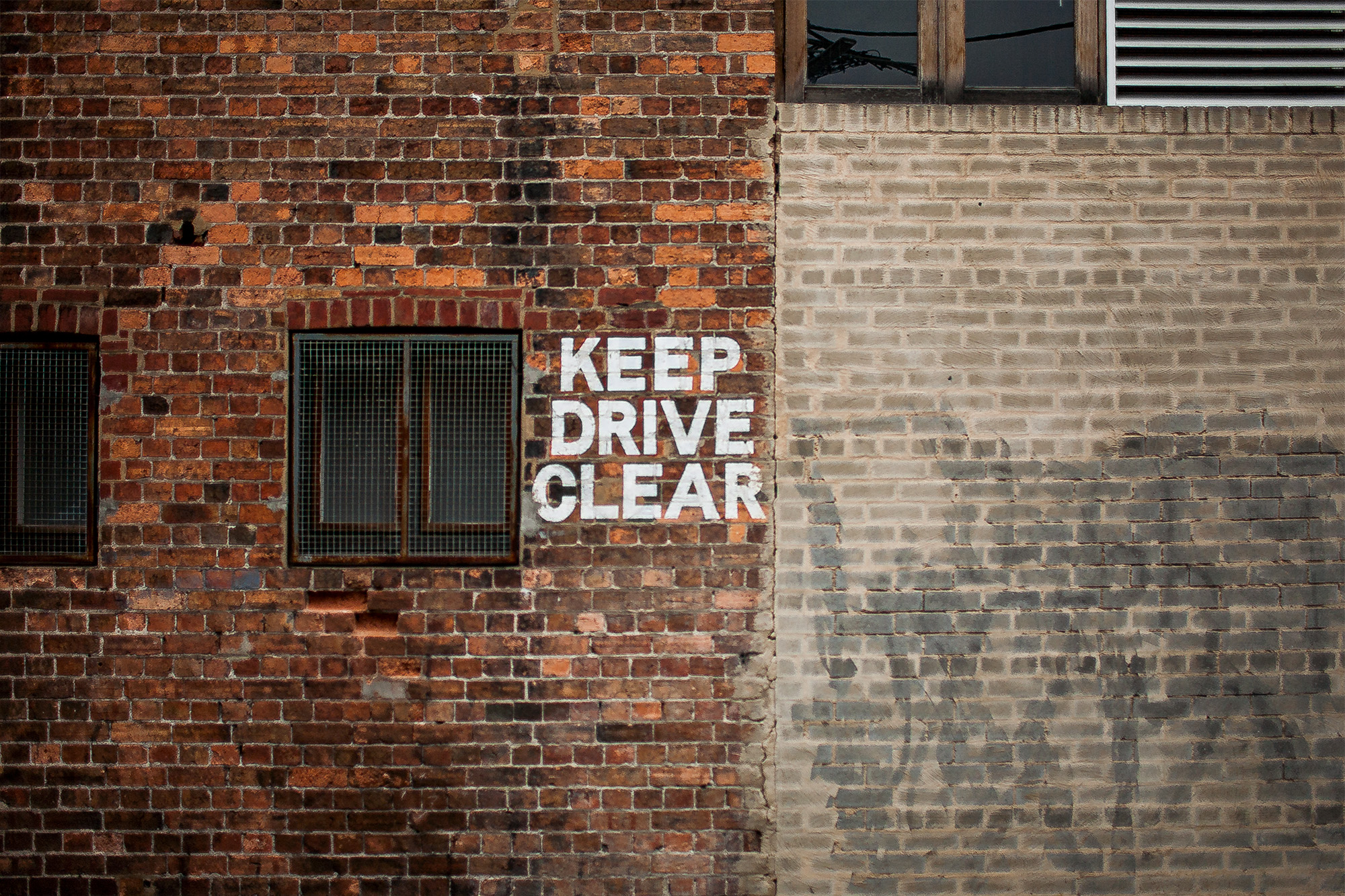
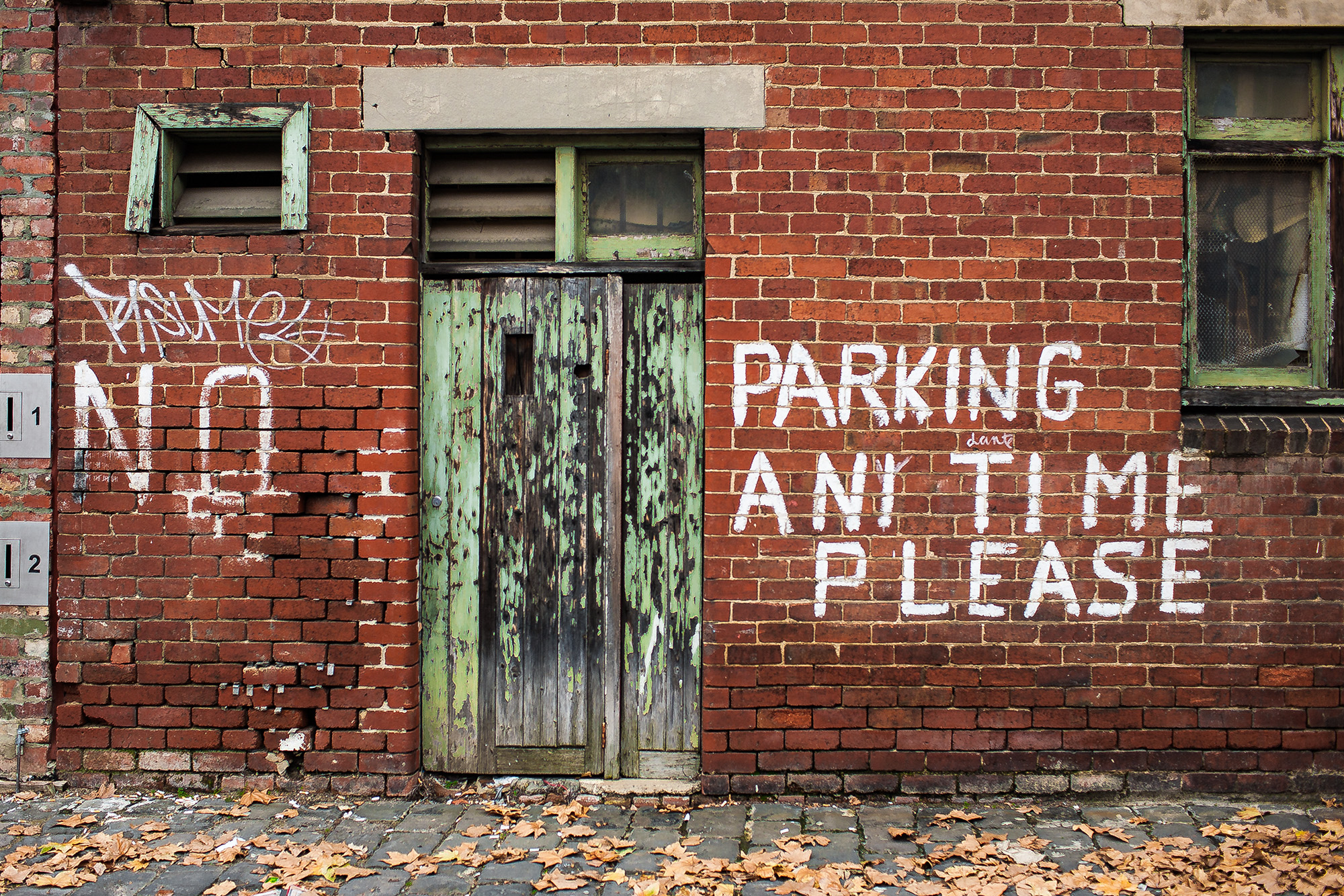
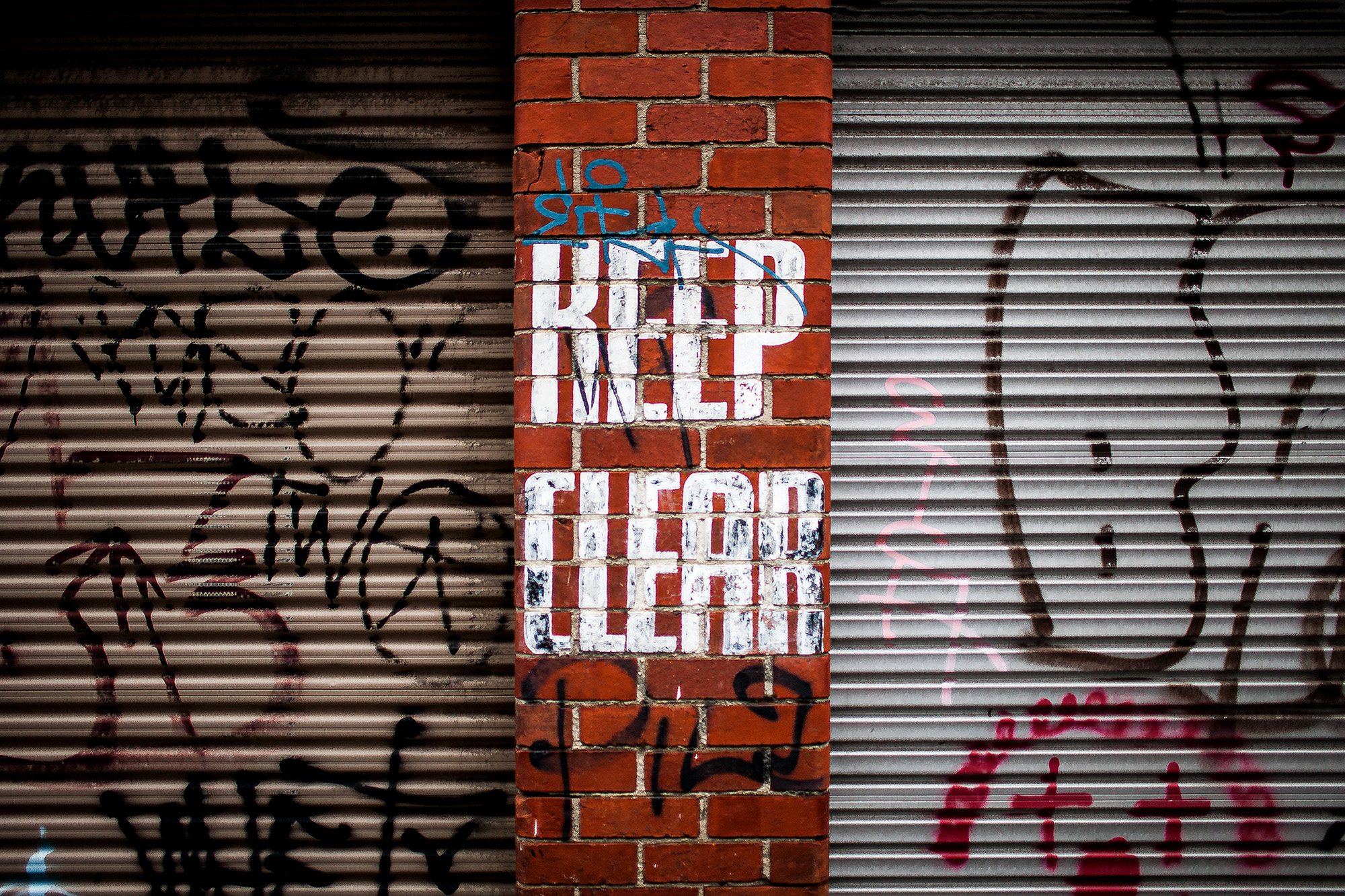
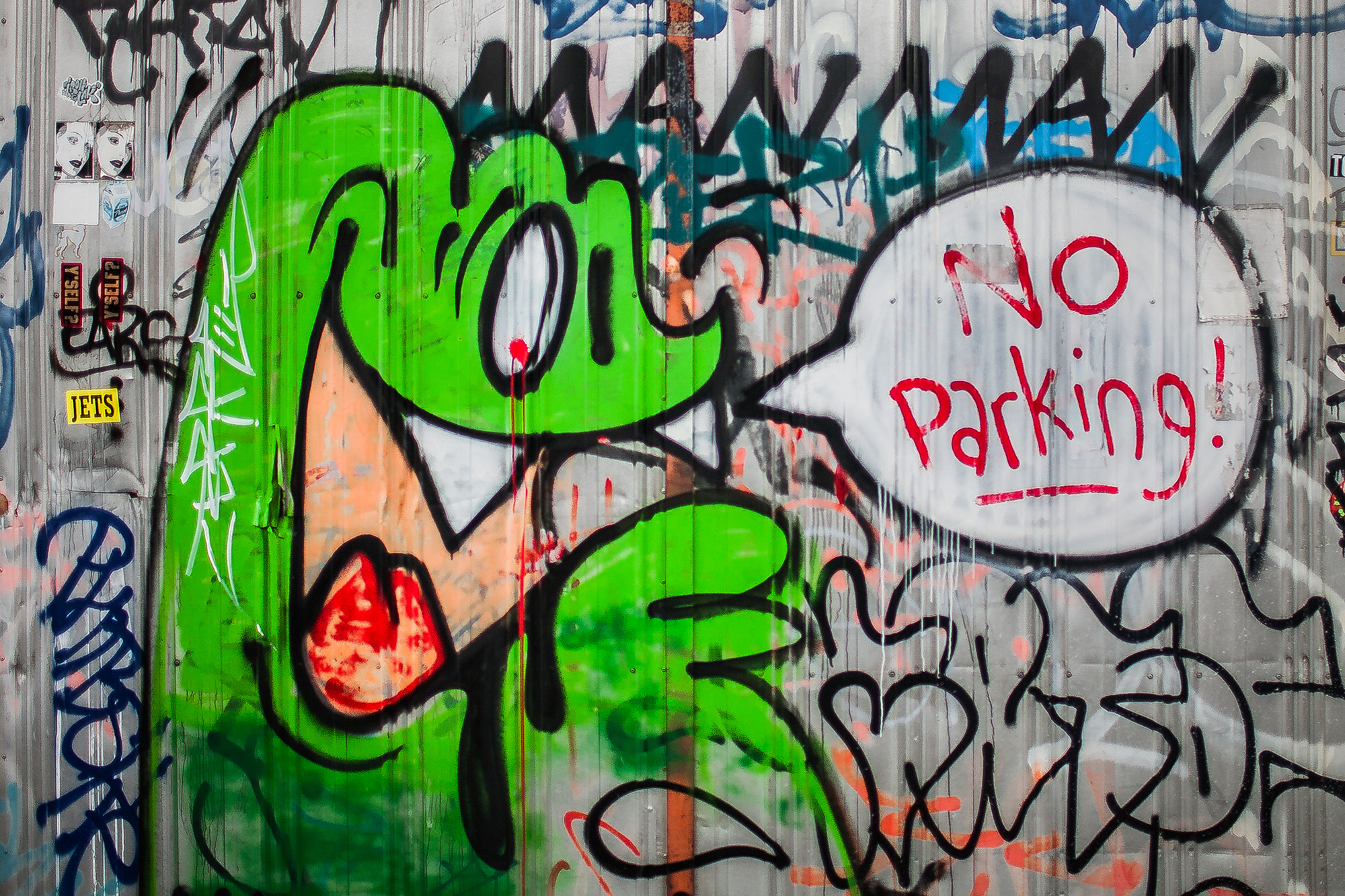
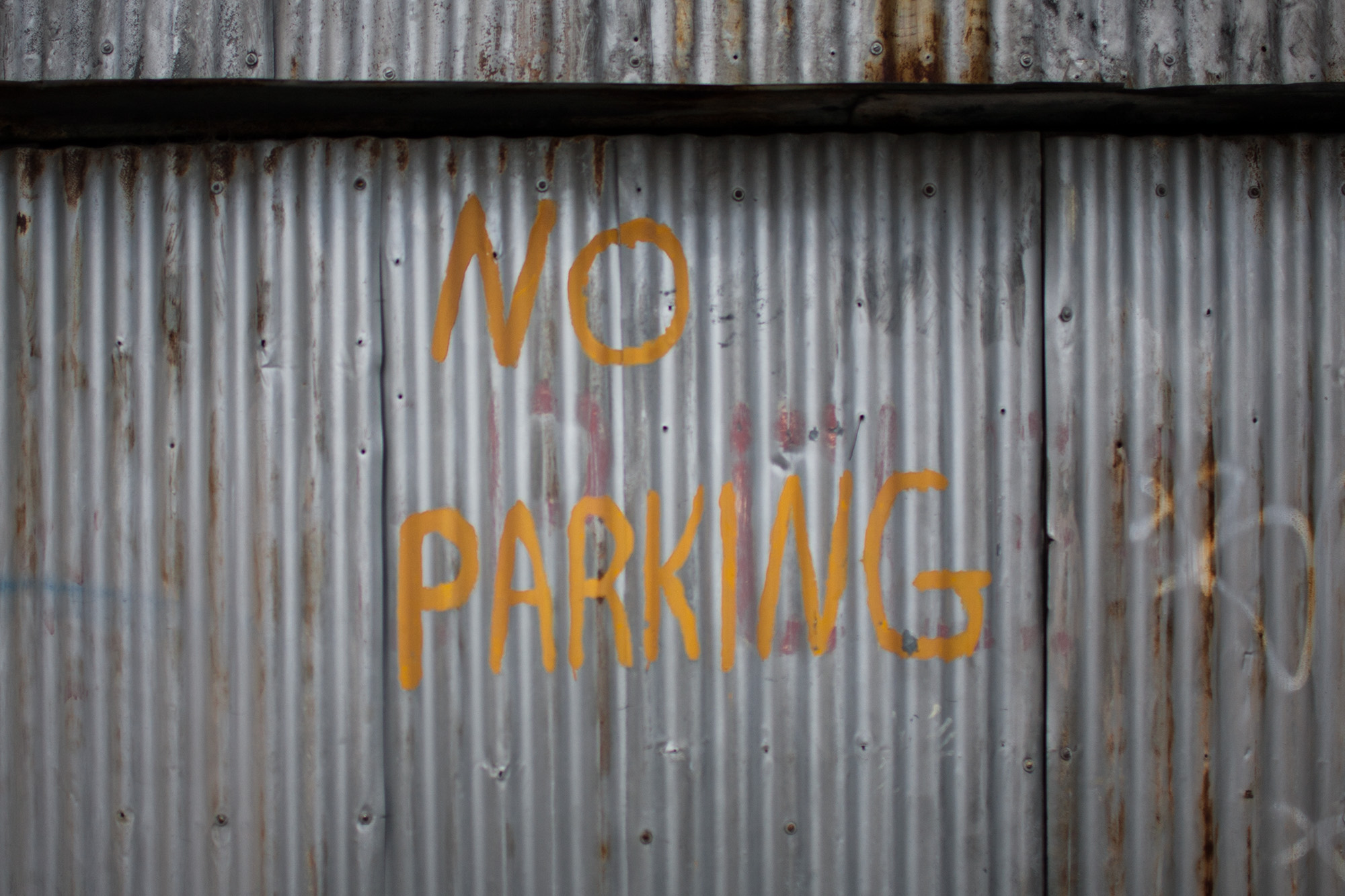
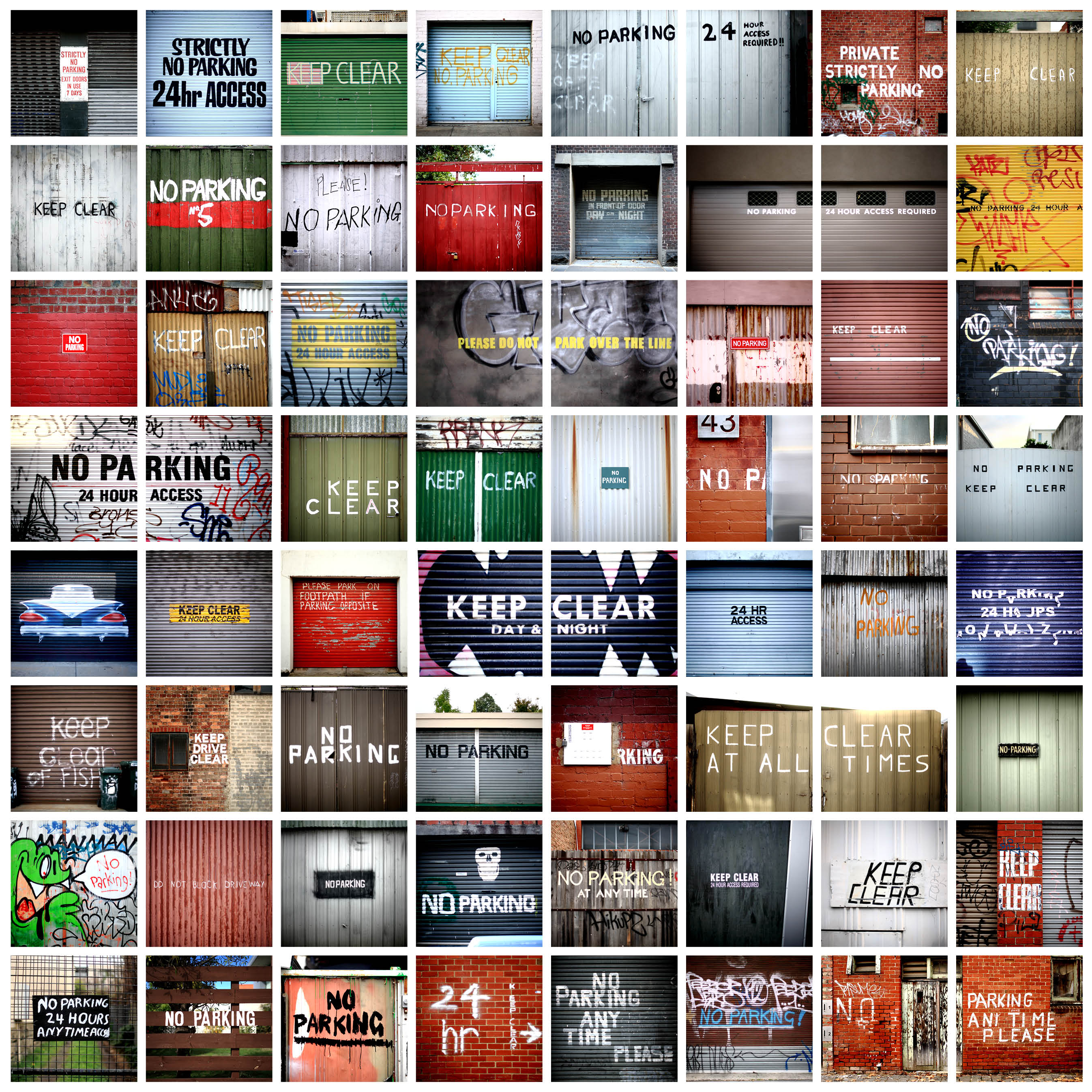
‘No parking’, ‘keep clear’, ‘24-hour access’ are different ways of delivering the same message. Unlike hydrants or utility signs, which mark a specific location, these operate as prohibition. They don’t point to something; they instruct behavior. This shift introduces a different visual language, one that is less governed by standards and more open to interpretation. As a result, these signs often drift into something closer to street expression, reflecting local identity, tone, and even personality. At a glance, this collection might suggest that “no parking” signs look the same everywhere. They don’t. Beyond their visual differences, they carry distinct layers of meaning shaped by context.
In some parts of the Middle East, for instance, ignoring such a sign can escalate beyond a simple violation to become a matter tied to territory, social dynamics, or even tribal loyalty. In these cases, the message is not just informational; it is reinforced by consequence. Elsewhere, these signs respond more subtly to cultural values or urban conditions such as privacy, safety, density, and each shapes how prohibition is communicated and perceived.
This is a study of how cities negotiate space through language and how prohibition reveals the social life behind the facade.